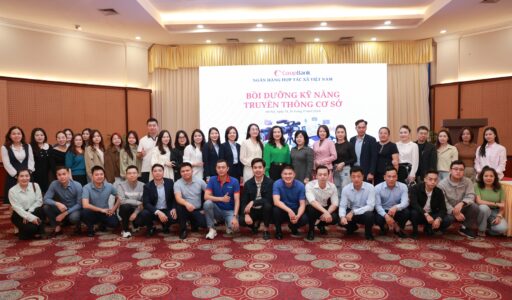
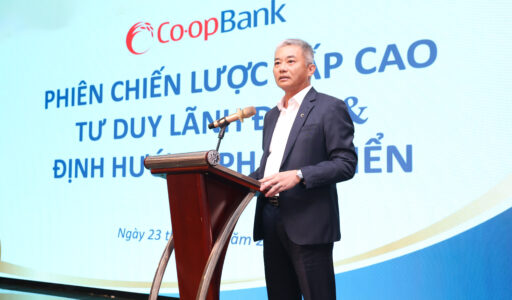
With the aim of strengthening the professional and operational capabilities of staff responsible for the care, management, and support of People’s Credit Funds (PCFs), the Co-operative Bank of Vietnam (Co-opBank) organized 08 professional training courses across the northern, central, and southern regions in September and October 2026. The courses attracted nearly 700 participants, including Branch leaders and staff directly involved in supporting the PCF network at the Head Office and branches nationwide.
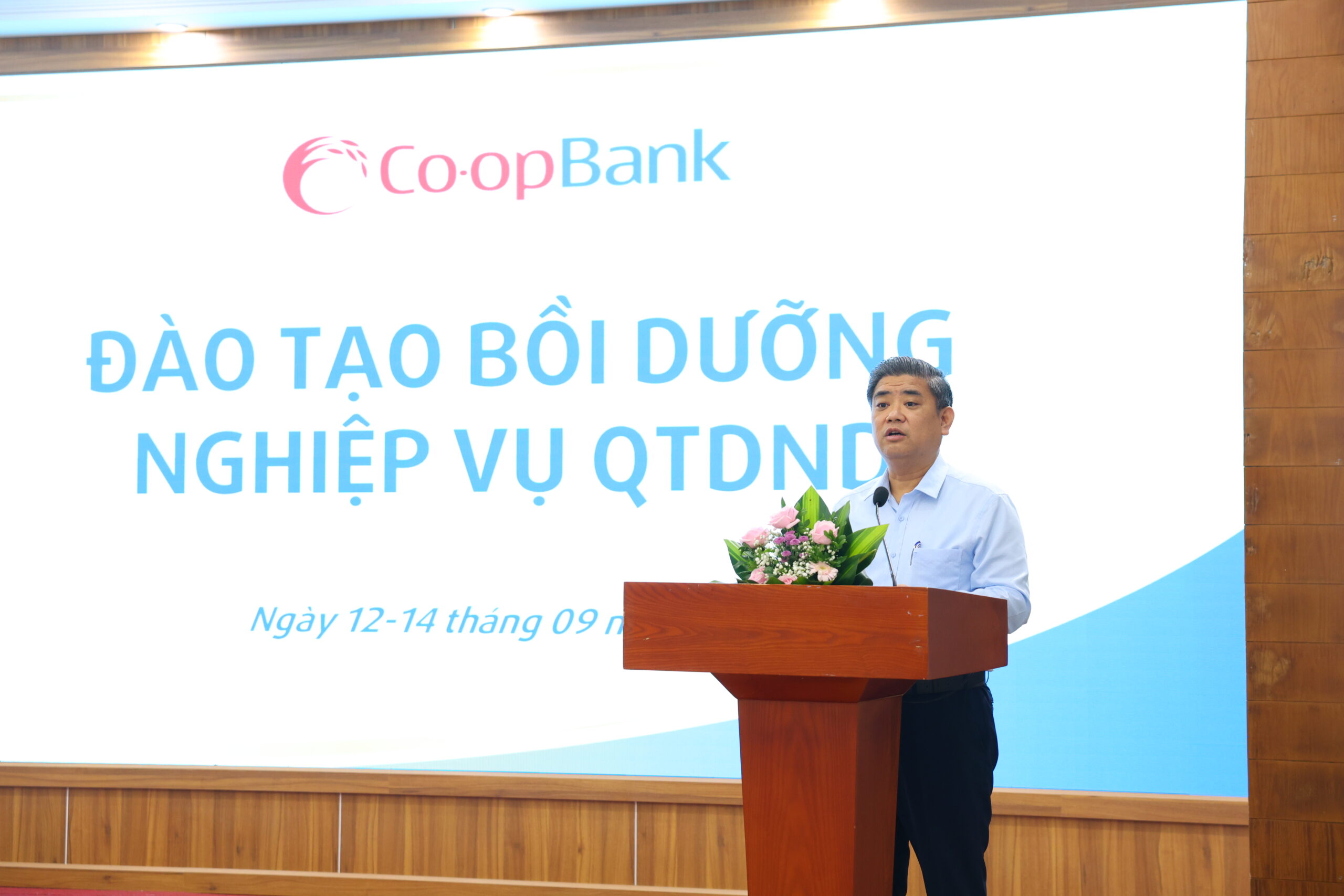
Speaking at the opening ceremony, Mr. Nguyen Ngoc Thanh – Co-opBank Deputy General Director, emphasized that, as the central coordinating bank for the PCF network, Co-opBank has consistently regarded its responsibility to accompany, support, and promote the sustainable development of the network as a key priority. In addition to fulfilling its capital-intermediating function, Co-opBank actively supports PCFs in strengthening their operational capacity, accelerating digital transformation, developing human resources, participating in inspections and supervision, and implementing support measures in accordance with regulations. As the entire network focuses on implementing the Scheme on the “Restructuring of the People’s Credit Fund System and the Co-operative Bank of Vietnam for 2026–2030, with a Vision to 2045”, enhancing the capabilities of staff responsible for supporting the PCF network is particularly important. This will help strengthen their professional and operational expertise, improve their ability to handle situations arising from practical operations, and ensure they are well equipped to meet the demands of their responsibilities in the new period.
In line with the direction set by Co-opBank’s leadership, the training program focused on two key areas, combining the provision of professional knowledge with exchanges of practical experience. This approach aimed to enhance participants’ ability to apply what they had learned in carrying out their responsibilities at the local level.
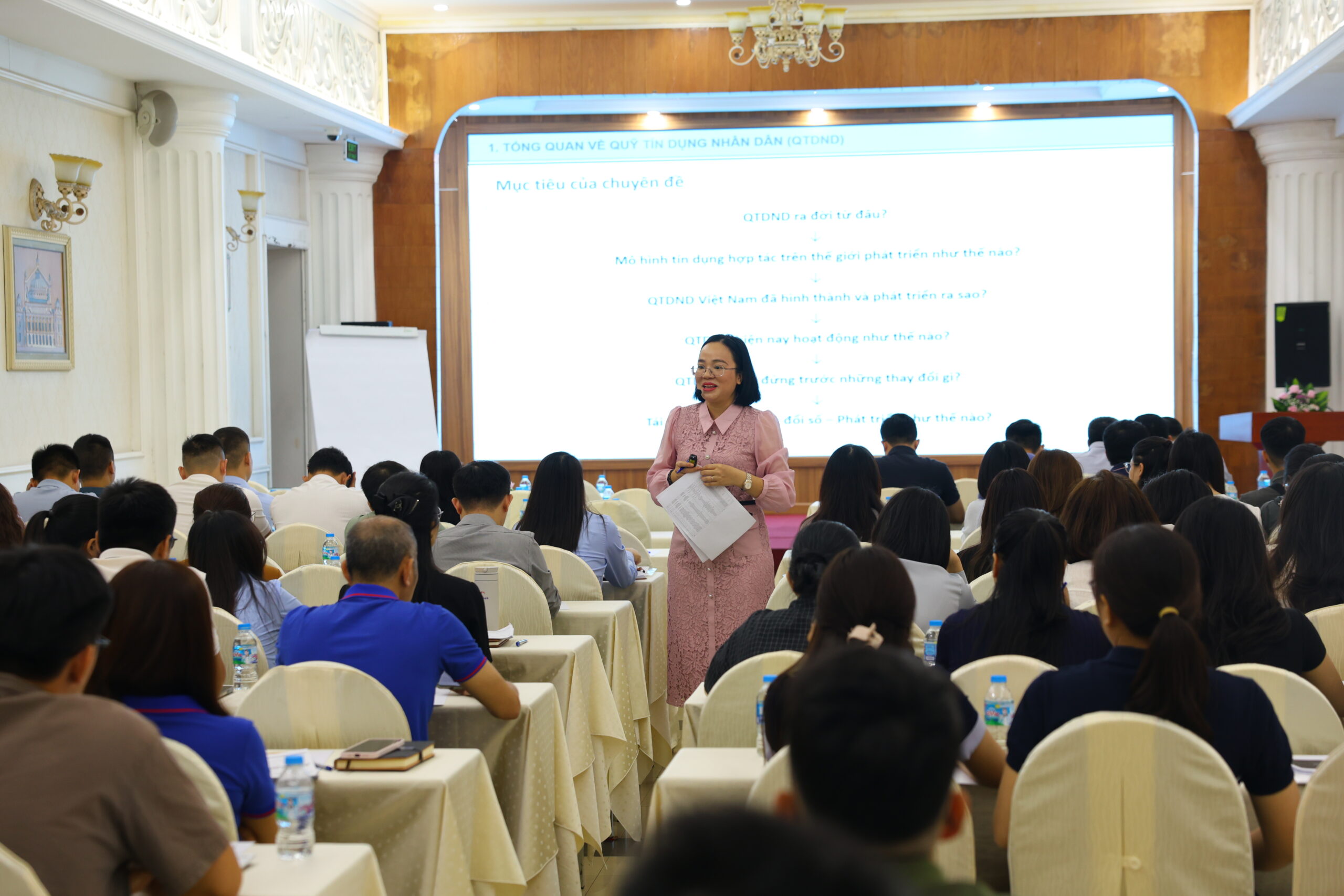
The module entitled “Strengthening the Management Capabilities of PCF Personnel”, delivered by Associate Professor Dr. Luong Thu Ha, a lecturer at the National Economics University, provided a systematic overview of the fundamentals of the cooperative credit institution model, the organizational and operational characteristics of PCFs, relevant legal regulations, and the key contents of the Scheme on the Overall Restructuring of the PCF System and Co-opBank.
The module also clarified Co-opBank’s role and responsibilities in connecting with and supporting the PCF Network, as well as the knowledge and skills required of staff responsible for supervision, inspection, consultancy, support, and coordination in addressing difficulties faced by PCFs. Through exchanges and discussions, participants gained a more comprehensive understanding of the network and gradually enhanced their ability to analyze, assess, and apply relevant regulations in their day-to-day work.
In addition to professional training, and with a view to making support for the PCF network more practical and effective, Co-opBank’s Member PCF Department conducted an internal module entitled “Supervision and Support in Addressing Underperforming PCFs”. The module focused on discussing situations arising in the course of carrying out responsibilities at the Head Office and branches.
In addition, the module covered professional matters relating to credit appraisal, special lending, mobilization of support resources, and the use of the Safety Fund in accordance with regulations. These discussions helped reinforce staff members’ knowledge, enhance their ability to identify risks, and strengthen their capacity to proactively provide recommendations and coordinate the implementation of appropriate support measures in response to specific practical situations.
At the training courses, Branch leaders and staff shared their practical experience in managing, maintaining relationships with, and supporting PCFs. They also discussed challenges and obstacles encountered in addressing PCFs under special control, credit appraisal, PCF mergers and consolidations, digital transformation, and the implementation of new regulations, including Circular No. 62/2025/TT-SBV dated December 31, 2025, issued by the State Bank of Vietnam, which governs the internal control systems of cooperative credit institutions and microfinance institutions.
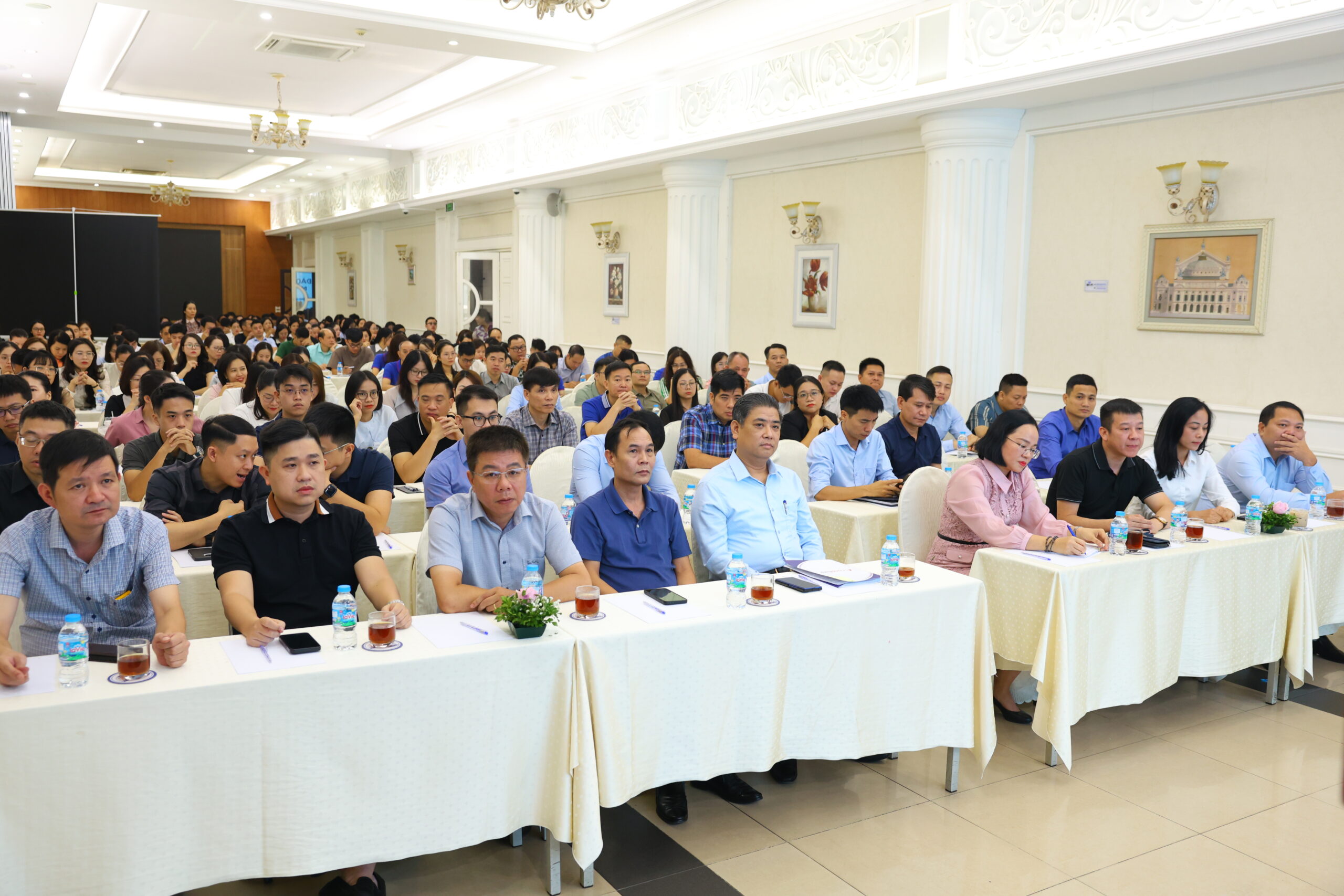
Practical insights shared by participants from their respective local areas provided a broader range of perspectives, enabling them to compare regulatory requirements with the demands of handling specific situations. These discussions also provided a basis for Co-opBank’s Member PCF Department to review and further refine the mechanisms, procedures, and approaches used to support PCFs across the network.
Through the eight training courses, the combination of lecturers’ professional expertise and practical experience shared by Branch staff helped strengthen professional capabilities and problem-solving skills, while promoting a more consistent understanding and approach to carrying out responsibilities between the Head Office and branches.
These efforts also provide a foundation for Co-opBank to further standardize training content and methodologies, progressively improve professional guidance materials, and enhance the quality of PCF management, relationship management, and support. In doing so, Co-opBank will continue to strengthen its role as the central coordinating bank for the PCF network, accompanying PCFs in their safe, sound, and sustainable development and contributing to the effective implementation of the network’s restructuring objectives in the new period.
Co-opBank Training Center